Cataract Evaluation & Surgery

With roughly three million cataract surgeries being performed each year, cataract surgery is the most common surgery in the United States.

Cataract Evaluations & Surgery

With roughly three million cataract surgeries being performed each year, cataract surgery is the most common surgery in the United States.

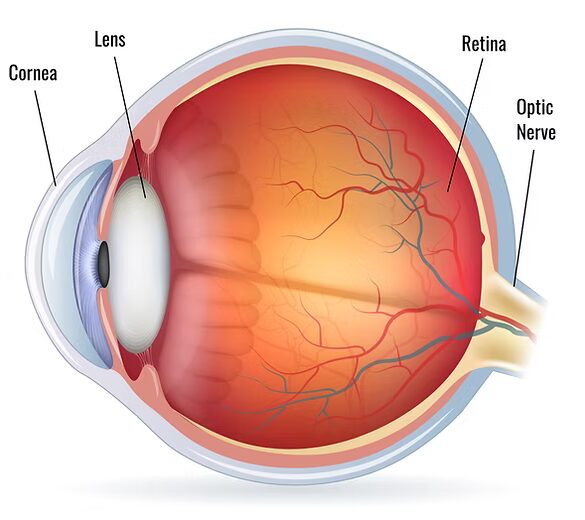
Basic Eye Anatomy

Basic Eye Anatomy

Cornea: The highly sensitive clear dome that covers the colored part of the eye.

Lens: The structure behind the colored part of the eye that helps focus light onto the retina.

Retina: The light sensing organ in the back of the eye.

Optic Nerve: The cable that carries all the information from the eye to the brain.

Basic Eye Anatomy
What is a Cataract

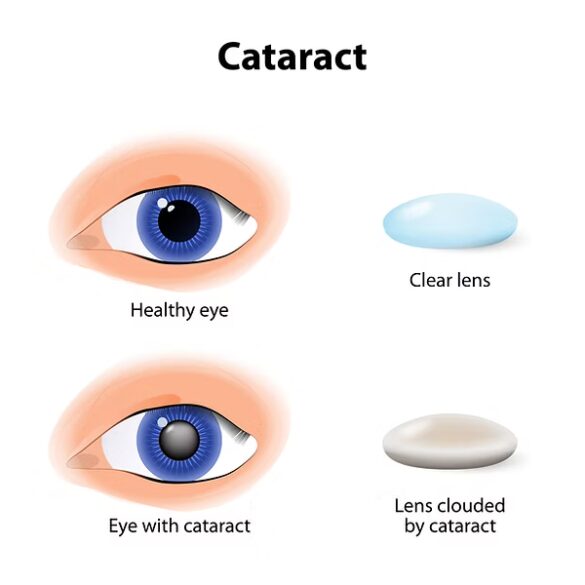
What is a Cataract?

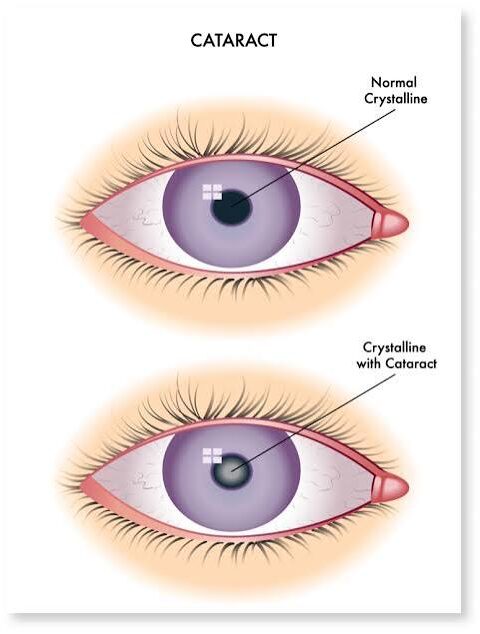
A cataract forms in our eyes when the natural lens we are born with changes from crystal clear to cloudy and brown.

This limits the amount of light able to reach the retina and causes reduced vision and other symptoms.

Questions?
Call our Office:
716-674-6030

Interesting facts about
cataract surgery:

  • In 2017 there were over 3 million cataract surgeries performed in the United States.

  • Patients who have undergone cataract surgery are less likely to have a hip fracture.

  • Patients who have undergone cataract surgery are less likely to be in a car accident.

  • Patients who have undergone cataract surgery have a 40% lower mortality rate than those who did not undergo cataract surgery.

Symptoms of Cataract

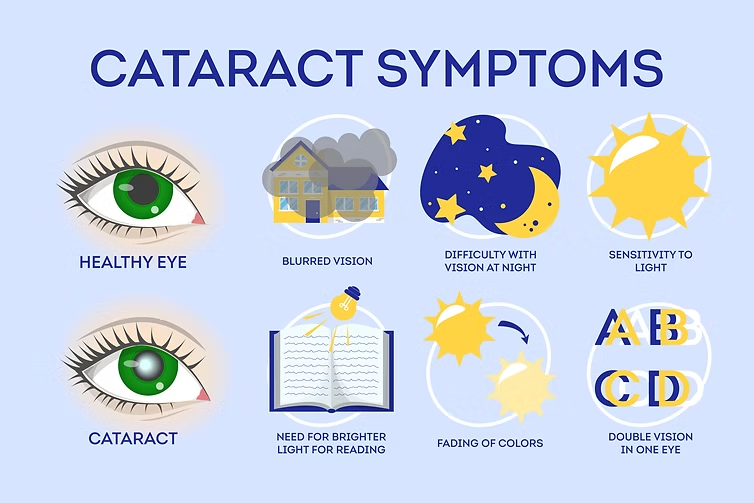
What are the symptoms of cataracts?

  • Blurry vision at distance and/or near
  • Glare and/or halos around bright lights

  • Frequent changing of glasses/contact prescriptions 

  • Difficulty with daily activities such as driving at night or reading

  • Needing more and more light to accomplish tasks such as reading 

  • Double vision out of one eye

  • Colors lose vibrancy 

age related cataract

Who is at risk of developing cataracts?

Cataract development is part of the natural aging process.  Most patients by the age of 60 will have some degree of cataract change. 


Risk factors that increase the risk of cataract growth include:


    • Increasing age

    • Diabetes

    • Smoking

    • Extensive exposure to sunlight 

    • Previous eye surgery

    • Eye injuries

    • Medication use, especially steroids

How are cataracts treated?

Currently, the only way to remove a visually significant cataract once it has developed is with surgery.

What is cataract surgery?

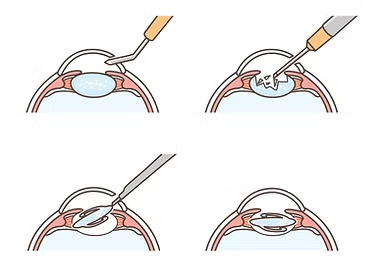
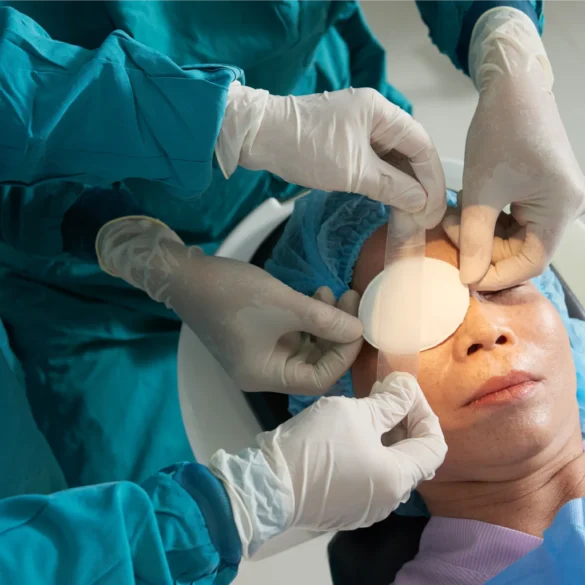
Cataract surgery is a same day operation completed at an outpatient surgical center. The surgery is done using local anesthesia and light sedation.

Your eye is prepared with dilating drops and then cleaned prior to surgery. Your surgeon will make small incisions in the eye and break up your cataract using ultrasonic energy. The cataract pieces are then removed and the new lens is inserted in place of the cataract.

​The eye is then given antibiotics and sealed, most often without needing any stitches.

Cataract Surgery in Orchard Park NY
laser-assisted cataract surgery

What is laser-assisted cataract surgery?

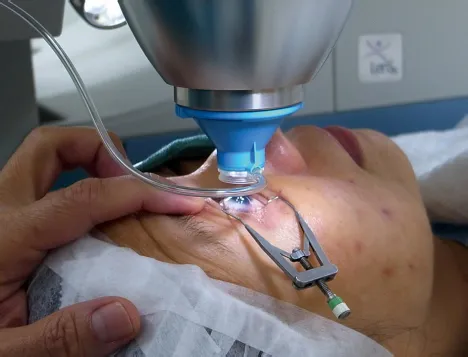
Although never proven to provide better patient outcomes, a laser can be used to create precise incisions and weaken the cataract for surgery.  

The laser can also be helpful to manage small amounts of corneal astigmatism at the time of cataract surgery. 

Not everyone is a candidate for laser-assisted cataract surgery, so be sure to speak with your surgeon about your eligibility if you are interested.

What are the alternatives to cataract surgery?

Alternatives to surgery include:

  • Do nothing and function with your current vision

  • Update your glasses/contacts prescription to try and improve your vision

  • Use more reading light

  • Use a magnifying glass for small print

  • Limit activities like night driving

Cataract Surgery in Hamburg NY
Cataract treatment in Hamburg NY

Is there anything that can be done to lower my risk of developing cataracts or slow the progression?

Cataract development is part of the normal aging process so there is no way to completely prevent their growth.​ Tips to slow down cataract progression include:


  • Limit UV exposure with sunglasses

  • Control medical problems like diabetes

  • Quit smoking

  • Discuss your current medications with your primary doctor

What can I expect after cataract surgery?

Recovery time after cataract surgery is relatively quick. After surgery it is normal for:


  • the eye to feel scratchy or sandy

  • the eye to appear red

  • the vision to be blurry  (most often this clears in 1-3 days but can take several weeks to achieve the best vision possible). 

  • the eye to be more light sensitive

Alternatives to cataract surgery

Our Location

Located in a stand alone building directly next door to Denny's Restaurant. The Southtowns Eye Center offers free parking and is wheelchair accessible.

Our Mission

Our mission is to preserve and improve the gift of vision by providing a professional and caring environment where each patient will receive the best possible eye care using the latest techniques, technology and equipment. By providing our patients premium care, we can improve our patients’ life experiences and help them see the beauty in all things.
Questions?
Call our Office:
716-674-6030